In the sports business, small details decide the impact, on the pitch as well as at events. What feels smooth, personal and high-quality to guests is the result of clear processes behind the scenes. One of the decisive yet often underestimated success factors is professional ticket management.
Sports events, conferences and sponsorship occasions in particular bring many players together: organisers, sales teams, partners, sponsors and local units. They all share the same goal but work with different responsibilities and timelines. Without a clear structure, this complexity quickly becomes an organisational burden and costs valuable time.

Ticket management rethought: central control, decentralised work
Modern ticket management does not mean more effort, but a smart distribution of responsibility. Event teams involve hosts in a targeted way and give them clearly defined access to manage guests independently. Sales managers, partner managers or sponsorship managers can send their own invitations, track registrations and make full use of their ticket allocations.
The underlying principle is simple and effective: central control with decentralised execution. Event teams keep control of the corporate design and data quality, while hosts handle the operational work. For sports events, this makes a real difference. Sponsor tickets can be distributed transparently, follow-up questions drop significantly and last-minute changes remain manageable right up to the event.
Manage tickets globally, invite guests locally
In practice, ticket allocations are usually planned centrally but have to be used locally. Sponsors receive allocations and sales teams invite customers, often via spreadsheets, email chains or last-minute coordination, which is prone to errors.
Professional ticket management closes this gap. Central allocations can be managed globally and distributed locally to customers and contacts at the same time. Hosts see the registration status of their guests in real time and have full transparency over their allocations. Extra coordination loops with the event team disappear, saving time and avoiding problems.
From the customer conversation straight onto the guest list
In sports and sponsorship, timing is crucial. After a conversation with an important customer or a spontaneous exchange with a partner, the invitation should ideally go out immediately.
Well-designed ticket management makes exactly that possible. Guests can be invited in a structured way with just a few clicks, and bookings, guest assignments and registrations run fully digitally and based on roles.
Everyone sees only the information that is relevant to them, while the event team keeps full control over processes and communication at all times. Ticket allocation thus turns from an administrative task into an active sales and relationship tool.

Why sports events benefit in particular
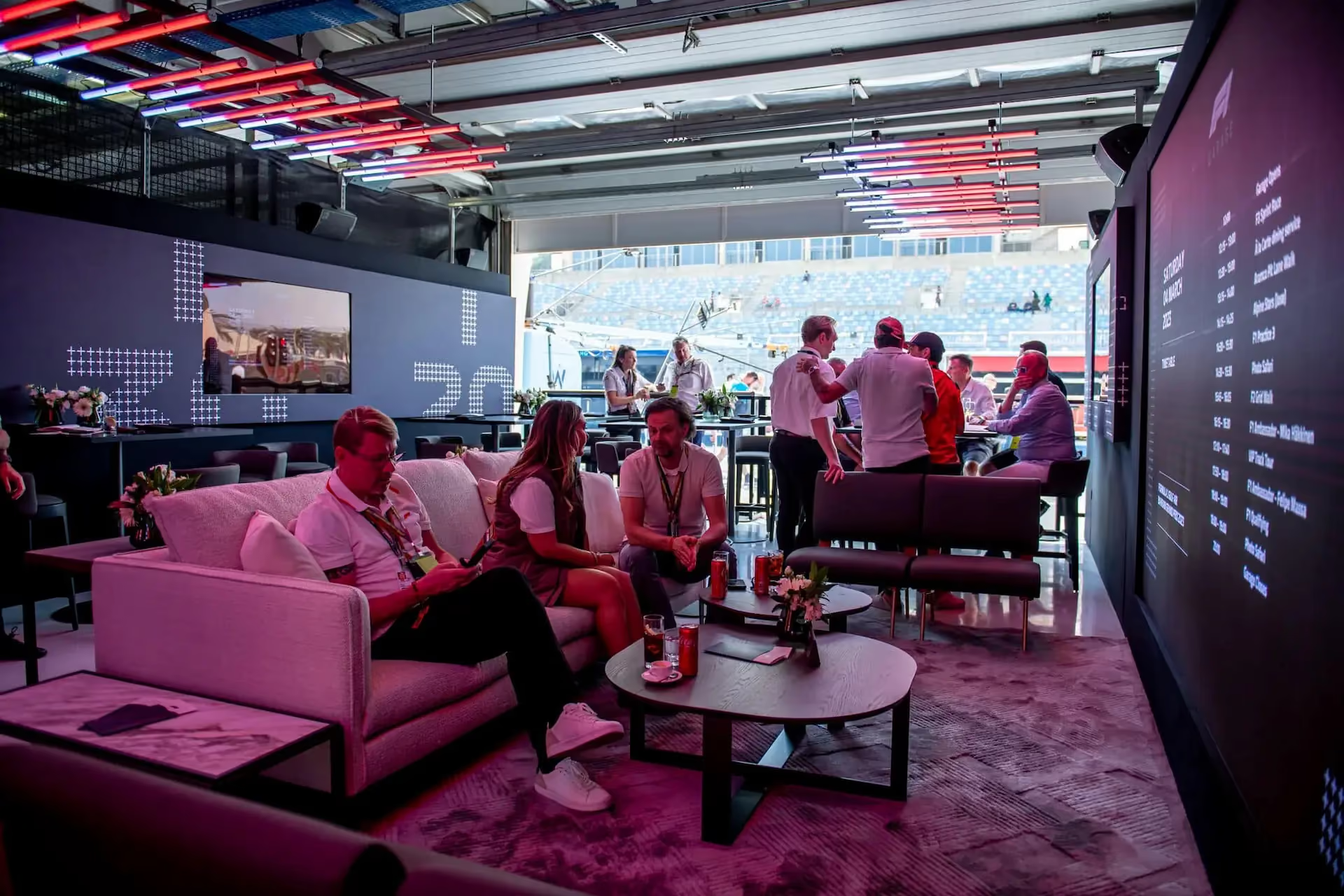
Sports events are emotional and often dynamic. Fixtures change, attendees join at short notice and security requirements are usually high. At the same time, the expectation of a professional and consistent experience is particularly high.
Well-designed ticket management provides stability here. Guests experience personal, reliable communication, hosts feel involved rather than held back, and event teams gain time for what really matters: the experience on site. It is no coincidence that only a few event management solutions cover this area comprehensively, because ticket management requires a deep understanding of complex organisational structures and real event processes, especially in enterprise and sports.
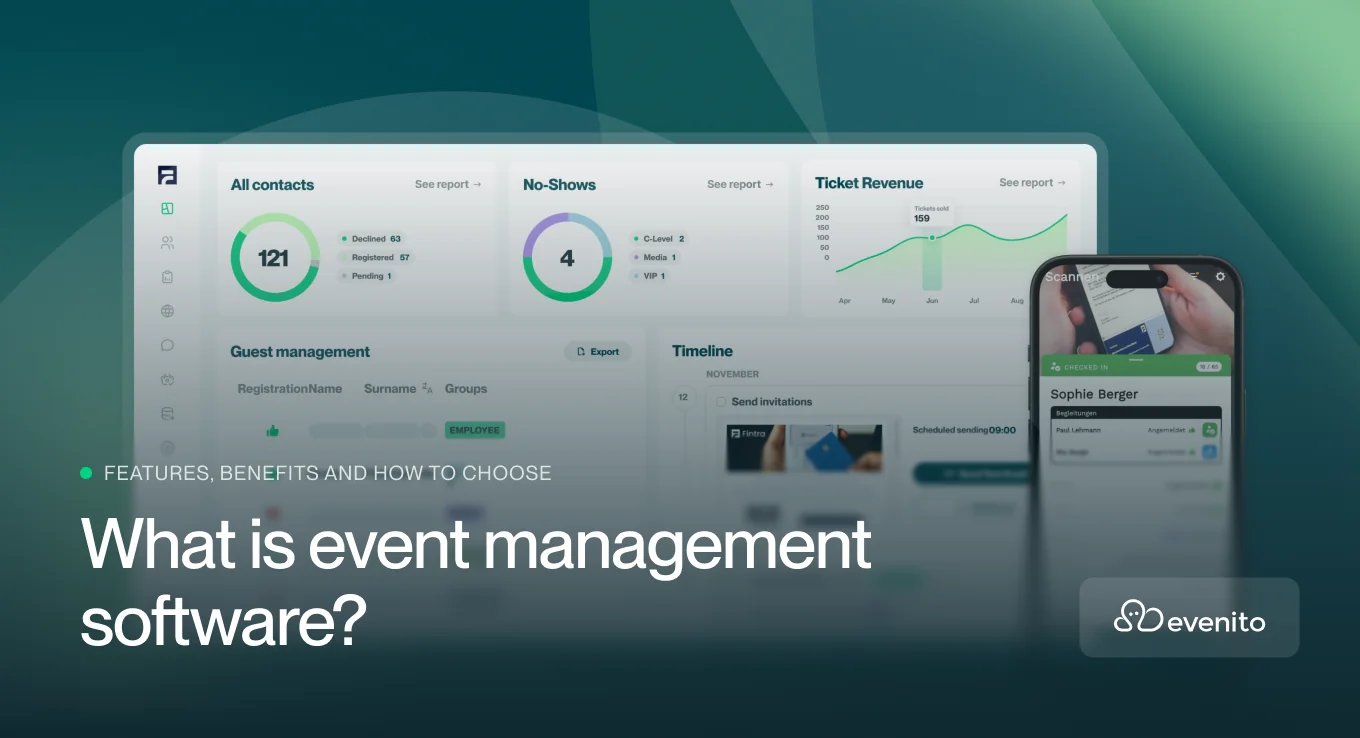
With evenito, you can run central guest management that covers the entire attendee cycle from invitation to follow-up. Smart filters make individual experiences possible for your guests. All data is collected in a GDPR-compliant way, and real-time synchronisation with CRM systems such as HubSpot, SAP or Salesforce is possible.
SPOBIS Conference: ticket management as a competitive advantage
The SPOBIS Conference in Hamburg brings together exactly the players for whom ticket management is decisive today: sports organisations, sponsors, marketers and event managers. Anyone who organises successful events in sports needs more than a ticketing system. It is about activating networks, nurturing relationships and keeping an overview at the same time.
Ticket management is not a side issue but a strategic lever. In the end, what counts is not only who is invited, but how professionally the invitation happens.

In companies with several regions, evenito's central allocation management and digital ticket distribution mean fewer errors and fuller events.