What actually makes big events so complex?
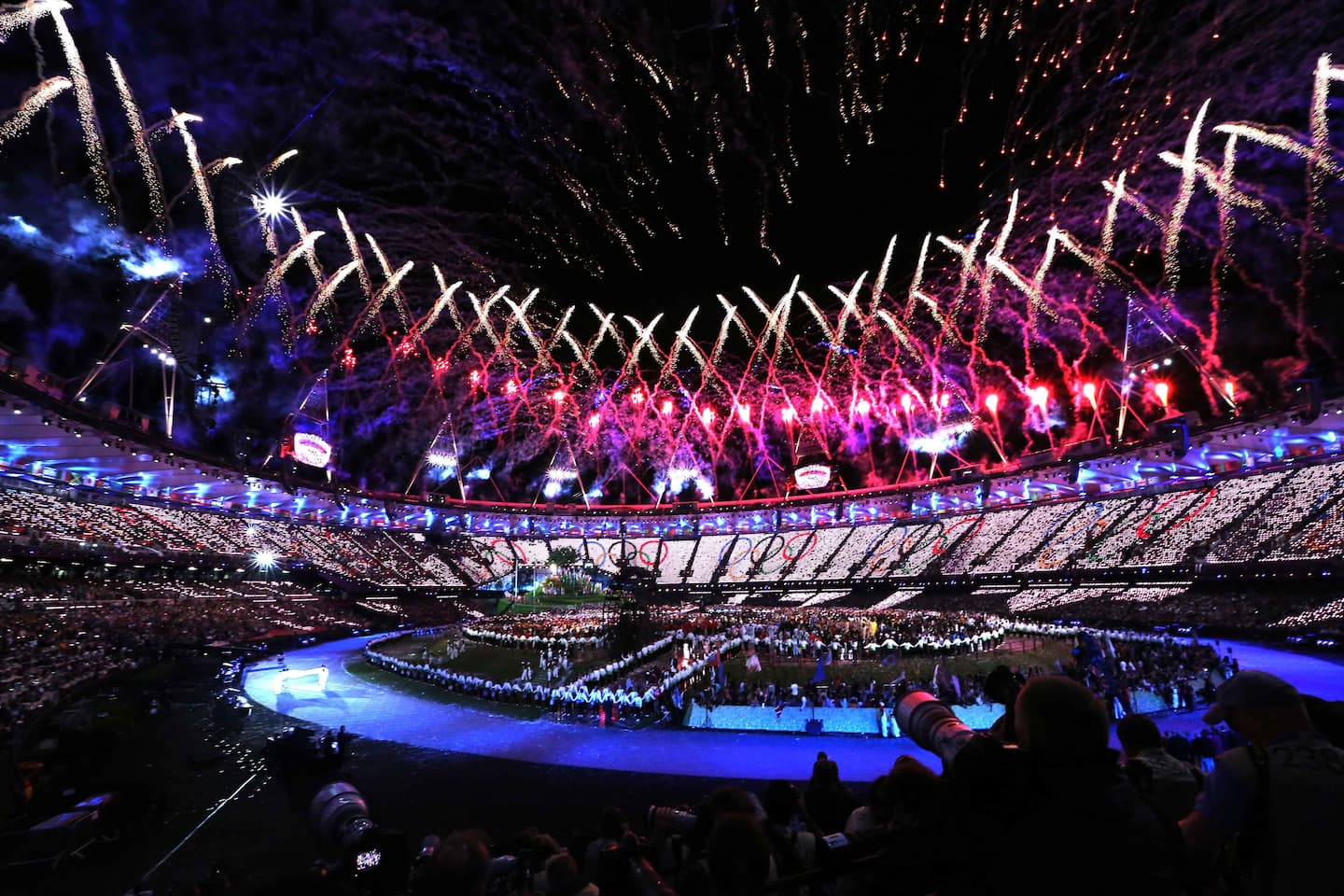
Large events often appear effortless to the outside world: smooth processes, satisfied guests and then a consistent brand presence. Behind the scenes, however, the reality is often different and many event managers rotate. Because the bigger an event gets, the faster the complexity increases, not linearly, but exponentially. But why is that so?
Many stakeholders, many expectations
Large events are teamwork and many areas are involved:
- marketing
- event management
- Sales
- Management
- IT
- legal department
- external agencies
- Venues
- and technical partners.
Everyone has their own goals, their own requirements and also their own deadlines. The problem with this is that the more participants there are, the higher the coordination effort. Information must be shared, approvals obtained and changes coordinated. Without clear processes and central management, there are friction losses, duplication of work and misunderstandings. Stress ensues.
Guest management is not an Excel issue
For small events, invitations and promises may still be managed manually. At large events with hundreds or thousands of participants, this quickly becomes impossible.
Different target groups, personalized invitations, VIPs, accompanying persons, waiting lists, no-shows, Check in on site, Follow-ups After the event: Each of these points has its own rules and special cases.
A small mistake can have a big impact:
- false invitations
- overbooked locations
- missing security approvals
- or dissatisfied guests.
High brand and experience standards
Major events are rarely purely informational events, but rather brand presentations. Every email, every landing page, every ticket, every badge on site must go to Corporate identity fit. At the same time, guests today expect personalized communication, relevant content, and a seamless experience before, during and after the event.
This combination of standardization (brand, CI/CD) and individualization (target groups, content, roles) is one of the biggest challenges today for event managers and steak holders associated with the event.
More formats and more technology = more dependencies
Large events are often hybrid constructs: on-site presence, live streams, event apps, digital agendas, networking tools and check-in systems meet complex technical requirements. And something can simply go wrong there.
This is because every additional tool increases dependence on interfaces, data flows and stable technology. When systems do not work together cleanly, media breaks occur and this is exactly what costs everyone involved time, nerves and quality and, in the worst case, has an effect on the guest experience.
Scale without loss of control
Many companies organize not just one major event per year, but dozens or even hundreds. The organization is often even decentralized across different teams, countries or business units.
The challenge is always:
- How can you scale this number of events without starting from scratch each time?
- How does the brand stay consistent, keep the data clean and keep an overview, while at the same time many people work independently?
Time pressure and visibility make events challenging
Major events are under special supervision. They are expensive and often strategically relevant. Errors are immediately noticed, both internally and externally. At the same time, timelines are tight, resources are limited and expectations are high. This is what makes events so emotionally and operationally demanding.
Conclusion: Big events mean big challenges
Large events are complex because they bring people, processes, technology and brand together under time pressure and with high expectations. If you want to master this complexity, you need more than to-do lists and stand-alone solutions. It requires clear structures, central control and, at the same time, the ability to distribute tasks intelligently.
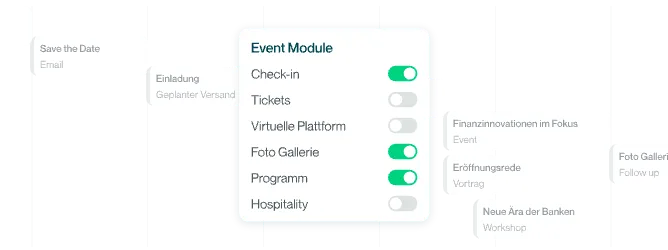
This is exactly where the Event management software from evenito to: It combines the entire event lifecycle in one tool and enables event teams to implement even large and complex events efficiently, on-brand and in a controlled manner without losing sight of the guest experience. This keeps the focus on what really makes events special: strong experiences and the connection with other people.
.svg)