Whether it's a client event, a product launch, or an employee gathering, professional planning is essential. At the same time, the event should convey a clear message and sustainably strengthen the relationship between the company and its target audience. This is exactly where the disciplines of event management and live communication intersect.
While these terms are often used interchangeably in the industry, they describe distinct areas of responsibility. The core difference: Event management primarily ensures that an event runs smoothly from an organizational perspective, whereas live communication focuses strategically on the emotional message and the impact an event should have on its participants.
Summary: The most important key takeaways
- The focus: Event management is process-oriented (logistics, budgeting, planning), while live communication is experience-oriented (brand messaging, staging, emotions).
- The interdependence: A creative concept (live communication) requires a flawless organizational foundation (event management) to achieve its full impact.
- The intersection: Modern event tech platforms automate organization, giving the team more freedom to focus on strategic live communication.
What is event management?
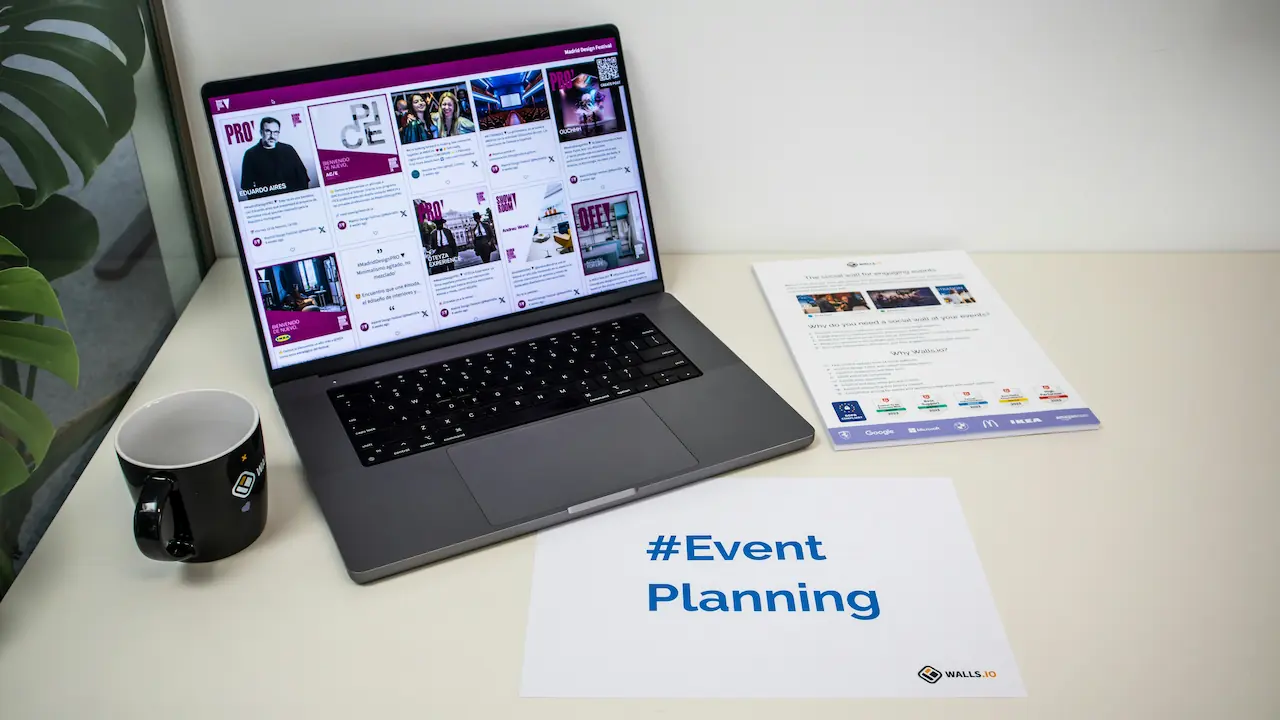
Event management encompasses the strategic and operational planning, organization, and final execution of an event. It is the solid foundation of every event.
The focus is on the numerous administrative and logistical processes that are essential for an event to run smoothly. In practice, this includes, for example:
- Budgeting and scheduling
- Selection and coordination of venues and external service providers
- Invitation and attendee management
- Creation of event websites and registration processes
- Ticketing and payment processing
- Ongoing communication with guests (before, during, and after the event)
- On-site check-in and badge printing
- Scheduling and logistics
- Data-driven analysis and reporting
Event management provides the essential organizational foundation for any event. For large-scale business events with hundreds or thousands of guests, these processes can quickly become complex if they are not managed centrally.
What is live communication?
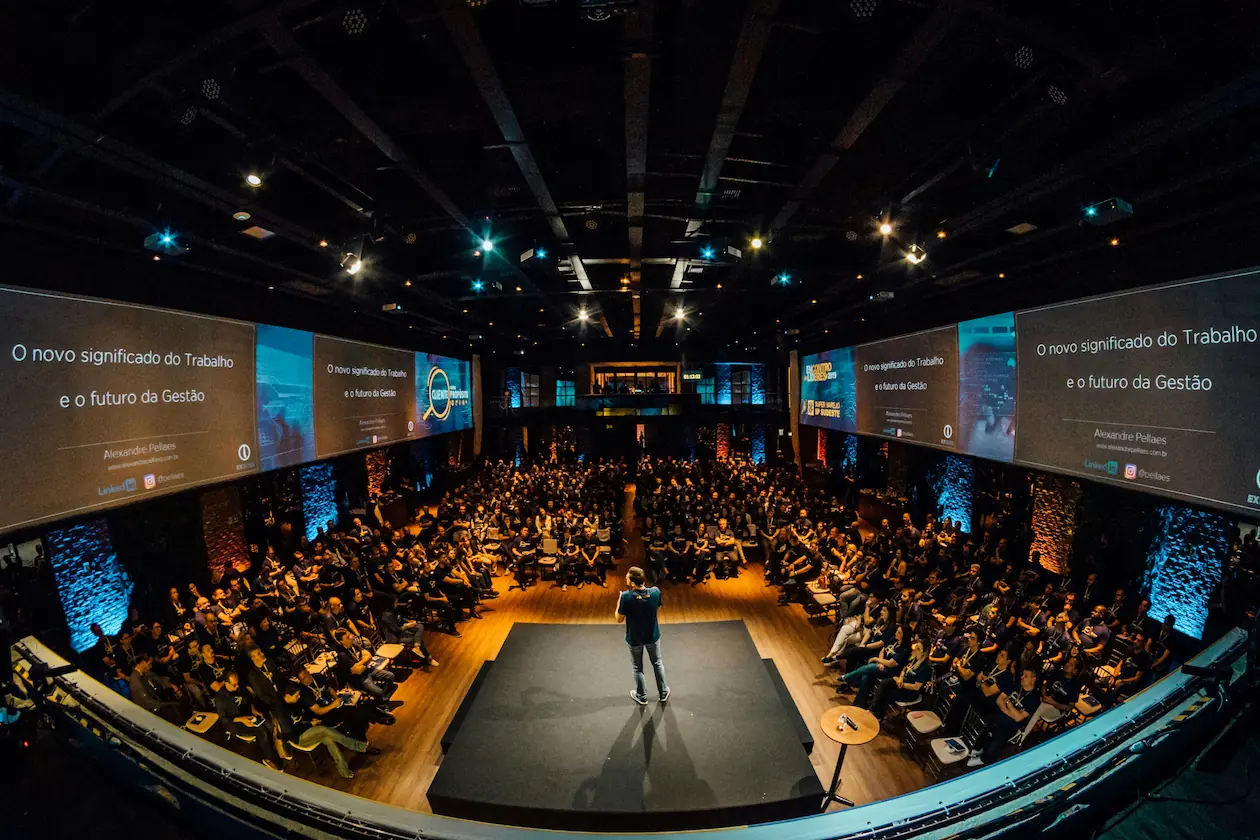
Live communication views events more through the lens of communication and branding. The event becomes a direct touchpoint between a company and its target audience. The primary goal is not just to convey information; it is to make brands, products, or corporate values personally tangible so that they leave a lasting impression on participants.
Typical tools of live communication include:
- Corporate and employee events
- Product launches
- Trade fair appearances and roadshows
- Brand activations
Live communication focuses on strategic questions such as:
- What is the core message we want to convey?
- What emotion should the event trigger?
- How do we create genuine interaction?
- How should the brand feel to the guests?
Storytelling, staging, spatial design, content, and personal encounters therefore play a particularly important role in this discipline.
Where do event management and live communication overlap?
In practice, it is difficult to separate the two areas. A creative concept alone does not guarantee a successful event. At the same time, a perfectly organized event is not enough if it fails to leave a lasting impression on the guests.
Live communication relies more on the experience and the message, while event management creates the organizational prerequisites for it.
A product launch illustrates this overlap well: live communication develops the story around the product and determines how the brand should be staged. Meanwhile, event management ensures that the right guests are invited, service providers are coordinated, registration works, and entry runs smoothly.
Why is the combination of event management and live communication becoming increasingly important?
Expectations for modern business events have risen rapidly in recent years. Today, guests expect not only a program with interesting content but a consistent, seamless event experience.
This experience doesn't just start at the entrance; it extends from the initial save-the-date to the personalized thank-you email after the event. As a result, classic participant management is becoming inextricably linked with live communication.
- First impressions count: A personalized invitation, a professionally branded event website, or a lightning-fast check-in via app significantly influence how high-quality a brand is perceived to be.
- Data-driven success (ROI): Now more than ever, companies need to be able to track how successful their events actually were. Precise event data such as registrations, attendance rates, and no-shows provide the necessary insights to prove return on investment (ROI).
Data supports this trend: Current industry studies show that personalized event journeys significantly increase participant satisfaction. When technology and emotion go hand in hand, brand loyalty is proven to increase.
💡 evenito expert insight:"From our daily work with clients, we know: the best stage production will fall flat if guests had to wait in line for 20 minutes at check-in beforehand. Event management is the foundation, live communication is the highlight – both must mesh perfectly to make an event a success."
Who does what? Event manager vs. live communication manager
If the disciplines differ, do the job profiles behind them? In large companies or agencies, these roles are often indeed separate, even if they have to work closely together on a daily basis:
- The event manager: Is the organizational project lead. They negotiate contracts with caterers, keep an eye on the budget, manage the invitation process, and ensure that the on-site technology functions smoothly. Their focus is on processes and logistics.
- The Live Communication Manager: Is the creative strategist. They develop the storytelling, select the appropriate speakers, design the brand staging, and define the emotional touchpoints of the guest journey. Their focus is on content and experiences.
💡 Did you know that......
the profession of event manager is regularly ranked among the top 10 most stressful jobs in the world according to Manager Magazin? A primary reason for this is the immense administrative pressure. This is precisely why the separation and simultaneous digital integration of event management and live communication is so important: automating operational organization drastically reduces stress levels and finally creates space for creative experiences.
How does evenito support both roles in everyday life?
evenito operates exactly at the intersection of these two worlds. With our centralized event management platform, companies and event agencies can create event websites, manage invitations, handle registrations, and check in guests digitally.
- For the Event Manager: Administrative processes are automated, sources of error are minimized, and event data (such as no-show rates) can be measured in real time.
- For the Live Communication Manager: The time saved creates room for creative content. At the same time, branding can be designed consistently and highly personalized throughout the entire guest journey.
Conclusion: Two disciplines, one common goal
Event management and live communication have different focuses, but they are inseparable when it comes to modern business events. While event management provides the stable structure for the event, live communication creates the unforgettable experience.
By connecting both areas—and the people behind them—through smart processes and the right event tech software, you can develop events that are highly professionally organized and memorable in the long term.
You know the theory now—what does it look like in practice?
Whether you are an event manager or a live communication manager, our event experts can show you in a brief conversation how to digitize your internal processes with evenito and personalize your guest journey.
.svg)