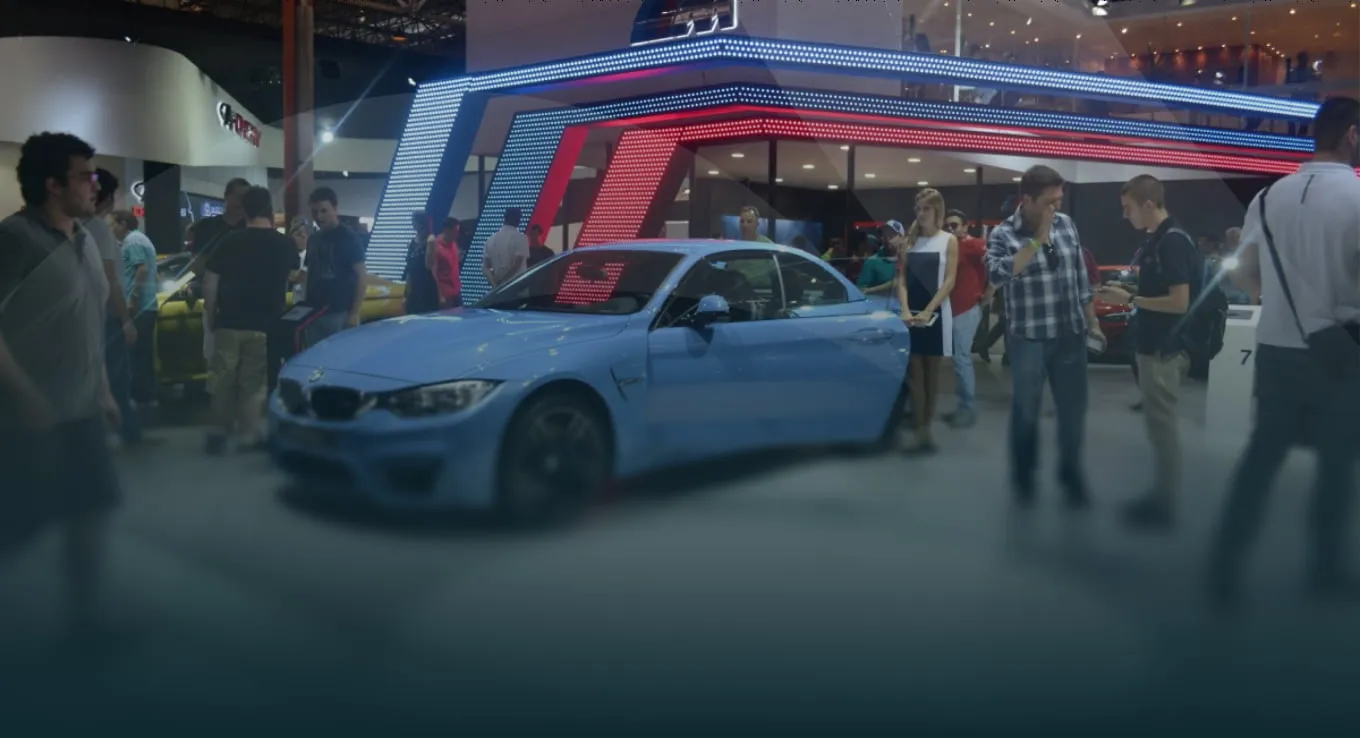
A futuristic illuminated hall, interactive installations and projections on the history and innovation behind the new BMW 7 Series: When invited guests in 2022 the location to BMW's “The 7 World Premiere” It was clear from the very first second: THIS would not be a traditional vehicle presentation.
As part of the launch of the new BMW 7 Series model in 2022, BMW organized an immersive experience that showcased technological innovation and luxury.
The audience became part of a journey: The guests move through various theme rooms, each showcasing a central element of the vehicle — from sustainability to autonomous driving to luxurious interiors.
BMW as best practice for personalized experiences at an event
A personalized QR code on their smartphones guides visitors individually through the exhibition and provides additional information tailored to their interests.
A spectacular finale awaits them at the end of the tour: The new BMW 7 Series will be unveiled in a 360-degree presentation, accompanied by an emotional light show and live music. The guests not only leave the event impressed, but also with a digital album of their personal highlights — a souvenir that will remain a topic of conversation for a long time to come. Wow!
This example shows how personalized experiences and innovative presentations can make events unforgettable.
BMW not only presented a car — it also firmly anchored the brand in the minds of viewers as a synonym for luxury and progress.
Personalized events instead of boring events — that's the key
Events like this, which surprise, inspire and create lasting memories, are no longer a coincidence. The key?
Personalized experiences. They transform traditional events into tailor-made experiences that are individually tailored to the needs of participants.
But what exactly makes an event personalized, and how can organizers use this strategy in a targeted manner?
What are personalized experiences at events?
Defining personalized experiences
Personalized experiences are events in which content, agendas and interactions are individually tailored to the preferences and interests of participants. Instead of a standard format, the focus is on individual event experience.
Difference from traditional event design
While conventional events are often planned according to the motto “One size fits all,” personalized approaches rely on participant segmentation and data-based insights. This not only makes the experience more relevant, but also more emotionally appealing.
From registration to selection of workshops to the event agenda — the more targeted these elements are designed, the more guests feel valued and involved.
Benefits of a personalized event experience for attendees
Personalized experiences are revolutionizing the way events are perceived. They create a deeper connection between customers and content.
By focusing on individual needs, an atmosphere is created in which guests feel valued — a basis for greater commitment and lasting memories.
The benefits at a glance:
- Higher satisfaction and active engagement: Individual experiences show guests that their wishes are paramount. This not only increases satisfaction, but also motivates people to participate more actively.
- More relevant content: Personalized agendas, whether for workshops, lectures or networking sessions, ensure that every participant can experience the content that is most important to them.
- More intensive interaction and networking: Tailored formats connect visitors with similar interests or industries, promote dialogue and create valuable contacts that last beyond the event.
How personalized experiences can be implemented — a roadmap
Personalizing an event starts with a clear plan. With the help of a structured approach, organizers can ensure interaction — and that is exactly what participants will remember for the long term.
Here is a roadmap that outlines the most important steps:
1. Perform participant segmentation
- Collect data: Collect participants' interests, preferences, and demographic information, such as through registration forms or surveys.
- Define groups: Based on the collected data, create specific target groups, such as industry representatives, decision makers or interested experts.
- Adjust communication: Tailor the message and content for each group to maximize relevance and interest.
2nd Create personalized event agendas
- Use tools: Use event management software to create schedules based on the interests of each attendee.
- Offer diverse content: Plan workshops, lectures, or networking sessions in such a way that they are tailored to the needs of the target groups.
- Enable flexibility: Give participants options to adjust their agenda themselves to ensure maximum satisfaction.
3rd Integrate event apps
- Activate features: Implement an event app that provides custom agendas, real-time updates, and networking features.
- Encourage interactivity: Use the app to actively involve participants — for example through live surveys, Q&A sessions or matchmaking functions.
- Ensuring easy handling: Make sure that the app is user-friendly to achieve a high level of acceptance among participants.
The role of targeted event communication
Targeted and personalized communication is the key to a successful event and starts even before the event.
Invitation letters that are tailored to the individual interests of the participants not only increase anticipation, but also the willingness to participate.
During an event, modern technologies play a decisive role: Push notifications via event apps provide relevant information in real time, for example about sessions or short-term changes, and thus ensure a smooth experience.
Complemented by live updates and interactive formats such as Q&A sessions via digital channels, participants can be actively involved and enjoy the event at their own pace. This not only improves the participant experience, but also strengthens loyalty to the event.
Data analysis as the key to personalization
How data analysis helps create personalized experiences
Analyzing participant data — from interests to interactions — enables organizers to optimize experiences and make future events even more tailored.
Using attendee data to improve future events
After the event, feedback and behavioral data can be used to gain valuable insights for future planning.
Data protection and responsible use of data
It is essential to comply with data protection regulations and to communicate transparently how the data is used. In this way, the trust of the participants is maintained.
conclusion
Personalized experiences revolutionize the way events are planned and experienced. They not only create added value for participants, but also sustainably increase the success of the event.
With the right combination of targeted event communication, data analysis and modern tools such as Event apps and evenito's software, organizers can create unforgettable experiences that will be remembered.
.svg)